How to Play a Gong for a Sound Bath
Where to stand, how to hold the mallet, where to strike, and how to build a long wash of sound without a crash.
Where to Sit or Stand
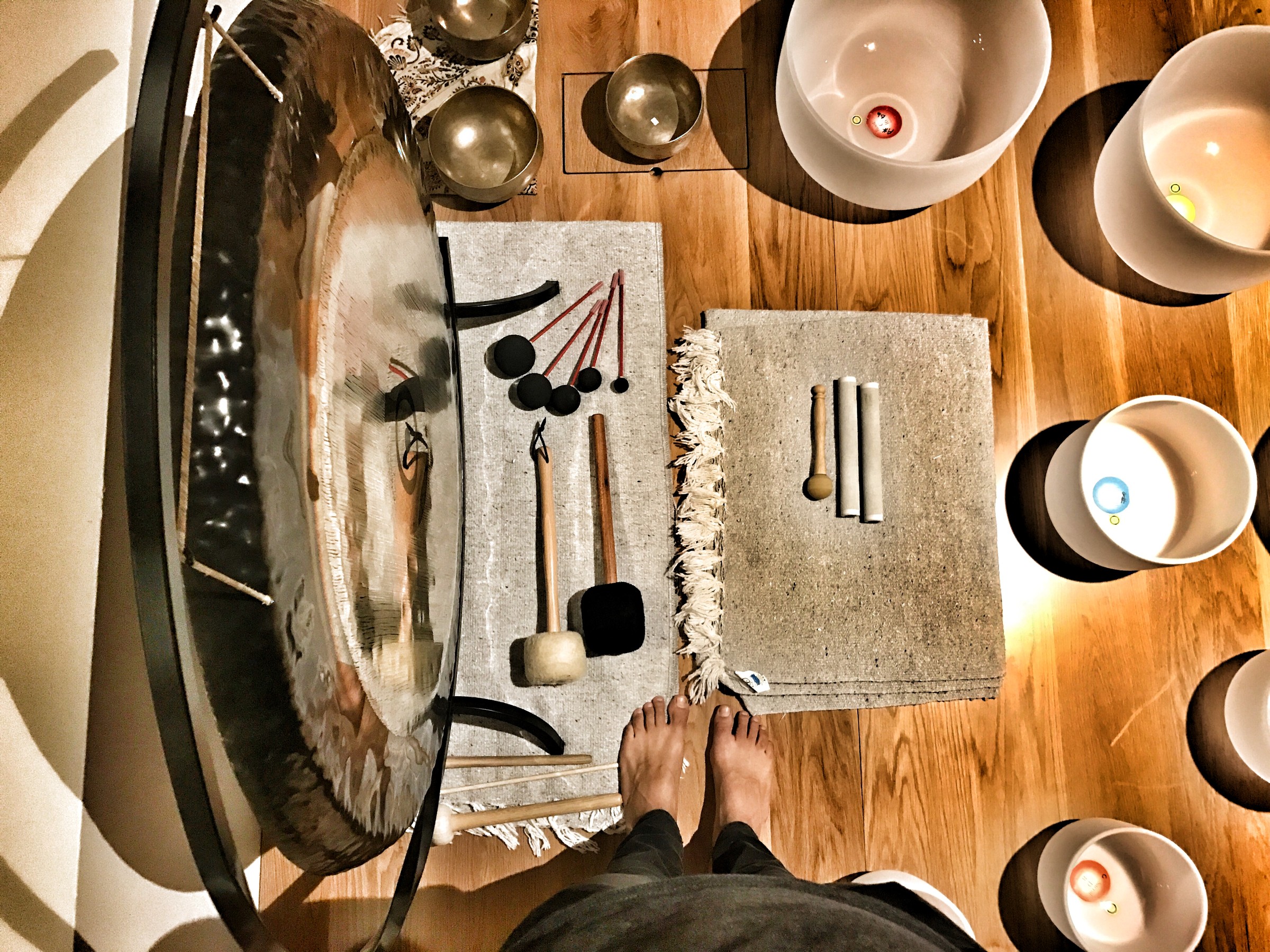
Hang the gong at the front of the room, facing the people lying down. Sit or stand a little to one side, so the face stays open to the room and the mallet has a clear line to it.
Before anyone arrives, set the height so the center of the gong is about level with your chest: sitting for a low floor stand, standing for a gong hung high on an orchestra stand.
Stay close enough to reach the face with your elbow bent. Closer cramps the stroke, and farther turns it into a lunge.
Check that the gong hangs clear. Paiste, the gong maker, says a gong should swing freely forward, back and to the sides without touching its stand.
Mallet in hand, begin with your own breath, however much music you have played before.
Holding the Mallet
Hold the striking mallet near the end of the handle, between the thumb and first two fingers, so loosely it could almost slip. Rest the other fingers around it without squeezing.
The stroke comes from the wrist and forearm. Let the head meet the face flat and square, then bounce straight back. A head left on the metal muffles the note, and a glancing blow from its edge, or a knock from the handle, puts a click at its start.
Where on the Face to Strike
The center gives the deepest sound. In Hamid's words, Struck dead center with a small mallet a gong has a fundamental too, but as the vibration travels across that much metal, overtone after overtone comes up out of it.
Keep hard strokes a little off center, as gong shops advise. The Gong Shop puts the spot two to three inches out on its chau gongs, and warns that a hard strike on the very middle could crack one.
Play mostly in the ring between the center and the rim, where the sound is full and rich in overtones. Small moves around it change the color of the wash.
Toward the rim the sound gets brighter and thinner, more shimmer than note. Light, quick strokes there lay a high glitter over a wash already moving.
No two gongs answer alike, so before a session strike yours softly in each place and listen.
Warm the Gong Up Before You Build
A gong at rest takes a while to wake. Begin with barely audible taps a little off center, at an even pace. Each adds to the vibration in the metal until the gong hums between strokes, a low sound that seems to come from nowhere. Players call this warming the gong up.
A new gong needs the same patience over weeks: regular, moderate playing breaks it in and opens its sound.
A Long Wash Without a Crash
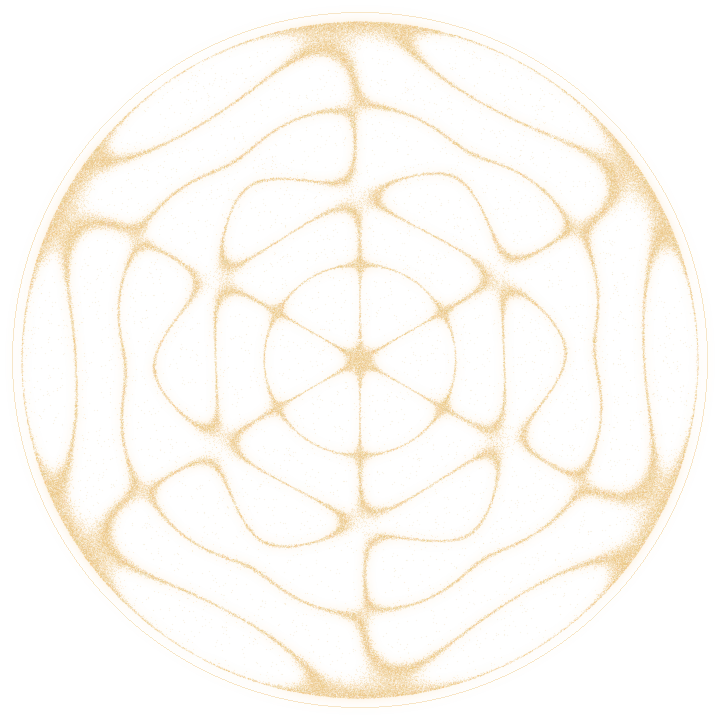
A crash comes from more force than the metal is ready for. The overtones pile up at once and the sound breaks into a roar.
A wash is the same energy added slowly. Keep the strokes soft and even, let each land while the last still rings, and raise the force a little at a time, so the sound comes in like a tide.
Move around the playing ring, since each place wakes different overtones. In Hamid's words, Instruments played by hand never quite repeat.
When the gong starts answering louder than it is being played, you are at the edge of a crash. Ease off and let it settle before building again.
“As the sound began, it was at first subtle, but I could sense that something was happening beyond my control.”
Hamid Jabbar, of his first time playing a gong
Rubbing With a Friction Mallet
A friction mallet, which many players call a flumie, is a rubber ball on a thin stick. Dragged across the face, it sets the metal singing: a long moan, or a rising call like a whale.
Hold the stick lightly, press the ball to the face, and draw it across in a slow, steady line or curve. Pressure and speed change the voice, and a larger ball draws lower sounds than a small one.
It speaks most easily on a gong already humming. On a cold one the first pass may only buzz, and the voice opens on the second or third.
Damping the Gong
To stop a gong, press something soft flat against the face near the center and hold it while the sound dies: a felt mallet head, a folded cloth, or a palm through the cloth.
Paiste asks players to keep bare fingers off the metal where they can, since fingers mark the coat of wax that guards its gongs against tarnish and dirt.
For a fade, press lightly and add pressure a little at a time. In a sound bath the long fade is part of the sound, so save a sudden stop for when the room needs quiet at once.
Playing Two Gongs
Paiste makes a stand that holds two gongs side by side. The pair in the photograph hangs one above the other.
Give each gong its own job. The larger carries the low wash: bring it up softly and keep it moving with slow, even strokes. The smaller answers in the spaces it leaves, with lighter, higher strokes.
With a mallet in each hand, keep the low gong moving while the other answers. With one mallet, play a phrase on one gong, let it ring, and turn to the second before the first fades. Played together at full force, two gongs make a bigger crash, so let one lead and the other wait its turn.
Gongs of different sizes and types sound different under the same mallet, which is much of the reason to own two. The guide to choosing a first gong sets out how.

The Silence Between the Strokes
A sound bath opens quietly, builds to a peak and settles, and the gong follows that shape. It is soft most of the time, and the loud passages count for more because they are rare and arrive slowly.
“The job of the person with the mallet is to keep the conditions good and then get out of the way.”
Hamid Jabbar
Silence is a powerful tool, and where to leave it is your own choice. A pause after a phrase lets the room hear what the last stroke did. There is no need to wait for the gong to ring down every time, and while the sound is building the strokes can run straight into one another.
The quiet before the first stroke is part of the playing too.
“Some of my greatest joys are when I first sit to play and sense the silence before that first note, knowing it’s all about to change.”
Hamid Jabbar
How Long the Gong Plays
Most sound baths run 45 to 90 minutes, and most last about an hour. The gong can open one, close it or come in anywhere between. A session of 20 to 30 minutes keeps the same shape, with less in between.
A gong passage lasts as long as it takes to build, hold and settle. On a large gong, a slow build from the softest touch to a full wash can take ten minutes. A session on gongs alone, often called a gong bath, follows the same shape.
Listen with headphones. Computer and phone speakers cannot reproduce the sound of a gong very well.
Mistakes Beginners Make
Hitting too hard, too soon. The gong crashes before the room has settled, and there is nowhere left to build.
Striking one spot over and over. The sound flattens into one note on repeat. Move around the ring.
Leaving the mallet on the metal. It chokes the note. Let it bounce.
The wrong mallet for the gong. A heavy mallet smothers a small gong, and a light one barely wakes a large one.
Filling every second. A gong that never stops leaves the room nothing to listen for. Stop now and then.
Playing to be watched. People in a sound bath listen with their eyes closed. In Hamid's words, Skill is audible, and it does not photograph.
Questions People Ask About Playing a Gong
Do you need to be a musician to play a gong?
No. A gong has no keys and no written notes, so start from your breath and your ears. The Sound Practitioner Training (Hamid's own course) asks you neither to read music nor to sing well.
Where should you hit a gong?
Mostly in the ring between the center and the rim. Nearer the center sounds deeper and nearer the rim brighter. Keep hard strokes off the exact middle.
How do you keep a gong from crashing?
Warm it first with barely audible taps a little off center, raise the force a little at a time, and ease off when it starts answering louder than it is being played.
What is a friction mallet?
A rubber ball on a thin stick, dragged across a gong's face instead of striking it, to draw long moans and rising calls from the metal. Many players call them flumies.
How do you stop a gong from ringing?
Press something soft, such as a felt mallet head or a folded cloth, flat against the face near the center: lightly for a slow fade, firmly for a quick stop.
The Gong in Hamid's Own Course
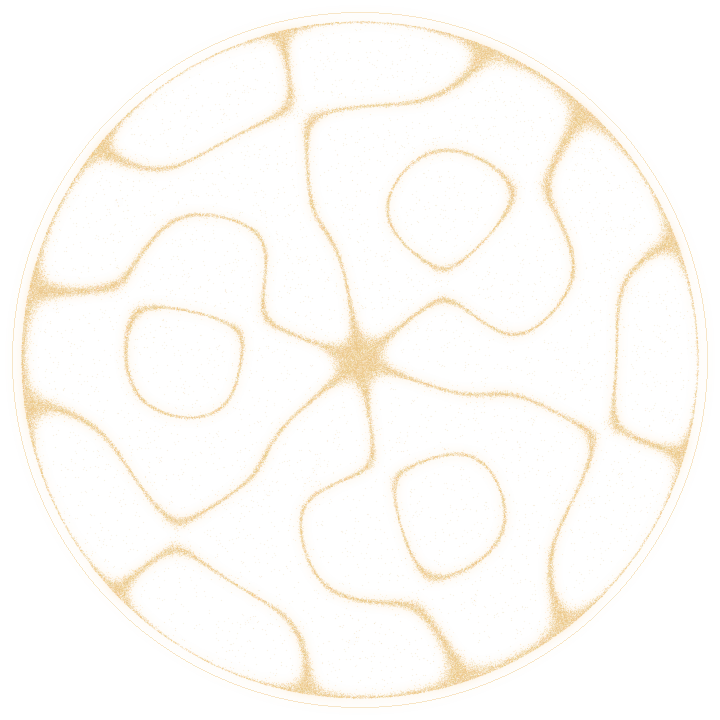
The Sound Practitioner Training (Hamid's own course) gives the gong five video lessons, from the types of gongs and their history to gong meditation, the 39 gong strokes, friction mallets and hand gongs. The camera stays close enough to follow his hands on the mallet.
Beyond the gong, the course teaches the science and practice of sound as used in meditation and sound therapy across many instruments, and how to hold space as a sound practitioner. It costs $298, paid once.
“The measure of a course like this is not what you heard while you were watching it. It is whether you can sit down in front of a gong on a Tuesday, on your own, and know what to do next.”
Hamid Jabbar
The GongSpace list
Join the List and Take $29.80 off Hamid's Own Course: $268.20 Instead of $298.
The code is shown at once and emailed to you, by Hamid Jabbar PLC, which owns GongSpace.